Tesla Bets on a Robot Academy to Solve Optimus Training Data Gap
As production ramps in Fremont, Tesla is deploying thousands of units in an internal academy to generate the learning data necessary for autonomous humanoid capability.
By Isabella Morales ·
The fundamental challenge facing Tesla’s humanoid robot program is not just mechanical, but intellectual. While the company’s electric vehicles benefit from a vast fleet of millions of cars sending real-world driving data back to its AI teams, Optimus lacks this natural feedback loop. With no existing fleet of robots operating in the wild, Tesla faces a critical data deficit. The solution, revealed during the company’s third quarter shareholder call, is a dedicated internal environment where robots teach themselves. This strategic pivot underscores the tension between manufacturing scale and software maturity as the company moves toward commercialization.
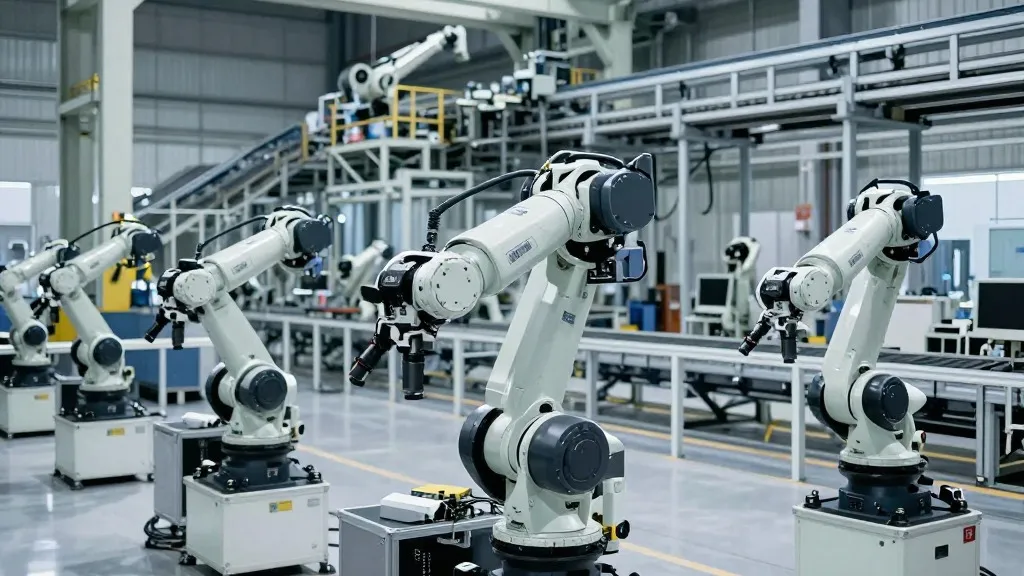
Tesla has officially transitioned Optimus from a prototype phase to a production reality inside its Fremont factory. The robots coming off the new high-volume line are the first to meet the standards of a true commercial product, a milestone confirmed in the company’s latest shareholder letter. This marks a significant shift in operational capacity, as the space previously dedicated to building Model S and Model X vehicles was cleared in just 46 days this spring. The new line is engineered for a massive annual capacity of one million units, signaling that the manufacturing process is now robust enough to support a product intended for widespread external use.
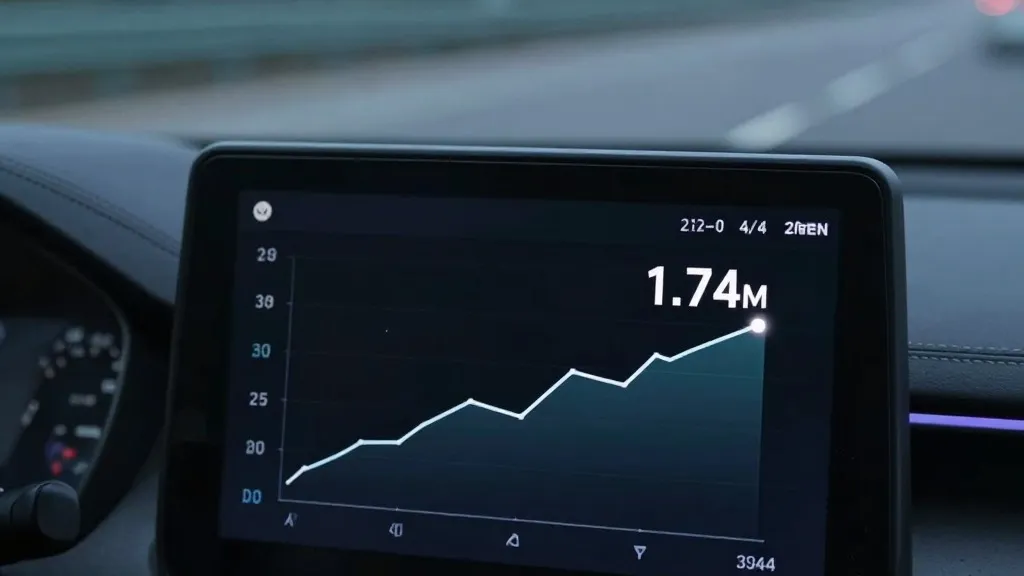
CEO Elon Musk outlined the production trajectory during Wednesday’s earnings call, describing the growth of Optimus as following a classic S-curve. He noted that the initial slope of this curve is shallow, meaning early adoption and ramp-up will be gradual before scaling aggressively. Most of the equipment required for this massive capacity is already installed in Fremont, with output expected to climb toward roughly 20,000 robots per week as the line reaches full ramp. This steady increase in hardware production provides the physical foundation necessary for the software learning process to take hold.
The core of Tesla’s strategy is the establishment of the Optimus Academy. In this facility, between 10,000 and 20,000 robots will practice a wide variety of tasks, effectively creating a synthetic fleet. Every unit manufactured on the Fremont line becomes a data source, feeding its experiences and errors into the next iteration of the robot’s AI model. This approach allows the team to refine the electromechanical design, reliability, and service life without waiting for external customers to deploy the machines. Musk expects this intensive refinement period to conclude by the end of next year, at which point Tesla plans to begin delivering Optimus to outside companies for dangerous, repetitive, and around-the-clock jobs.
Hardware upgrades are also progressing in parallel with the software development. Tesla plans to integrate its new AI5 chip into Optimus units next year, which will enhance the robot’s processing capabilities. Musk indicated that a new video demonstrating the robot completing tasks driven by AI, rather than preprogrammed motions, should be released within one or two months. This update is intended to distinguish Tesla’s product from rival humanoid demonstrations that rely on scripted routines, which Musk argued would struggle to hold up in the unpredictable conditions of the real world.
The supply chain is rapidly aligning with Tesla’s ambitions. In September, the company certified Tuopu, Joyson, and Sanhua as mass production partners for Optimus components, securing the necessary parts for high-volume manufacturing. A far larger facility dedicated to Optimus is also rising at Giga Texas, where recent drone footage shows the steel frame nearing completion. Musk has pegged the long-term target for that plant at 10 million robots a year, a scale that dwarfs the current Fremont operation and suggests a global industrial strategy.
Executives also noted that Optimus production costs are trending toward the expected manufacturing cost of the Cybercab, indicating that the robot is being engineered for volume from the start. However, the hands remain the most difficult component of the design, a challenge Musk highlighted during the recent X Takeover event. Significant engineering effort is currently focused on resolving this issue, as dexterous manipulation is essential for the robot to perform the complex tasks that will define its commercial value. As the academy begins to fill with practicing bots, the race is on to turn mechanical production into intelligent utility.
Source: Teslarati